Reflection on ECEG 301
A reflection on ECEG 301, Praxis of Engineering Design, in the format of the Hero’s Journey story construct.
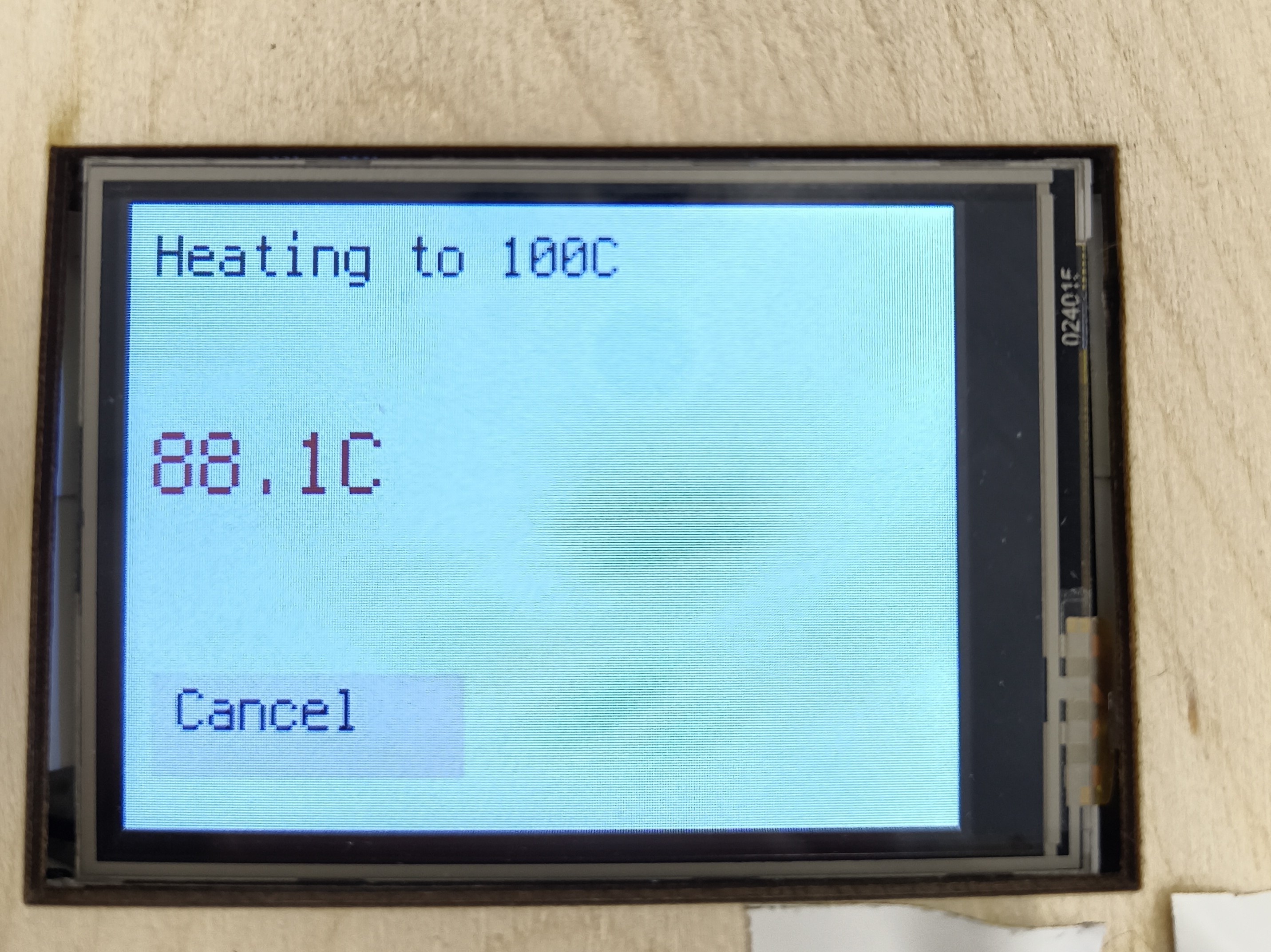
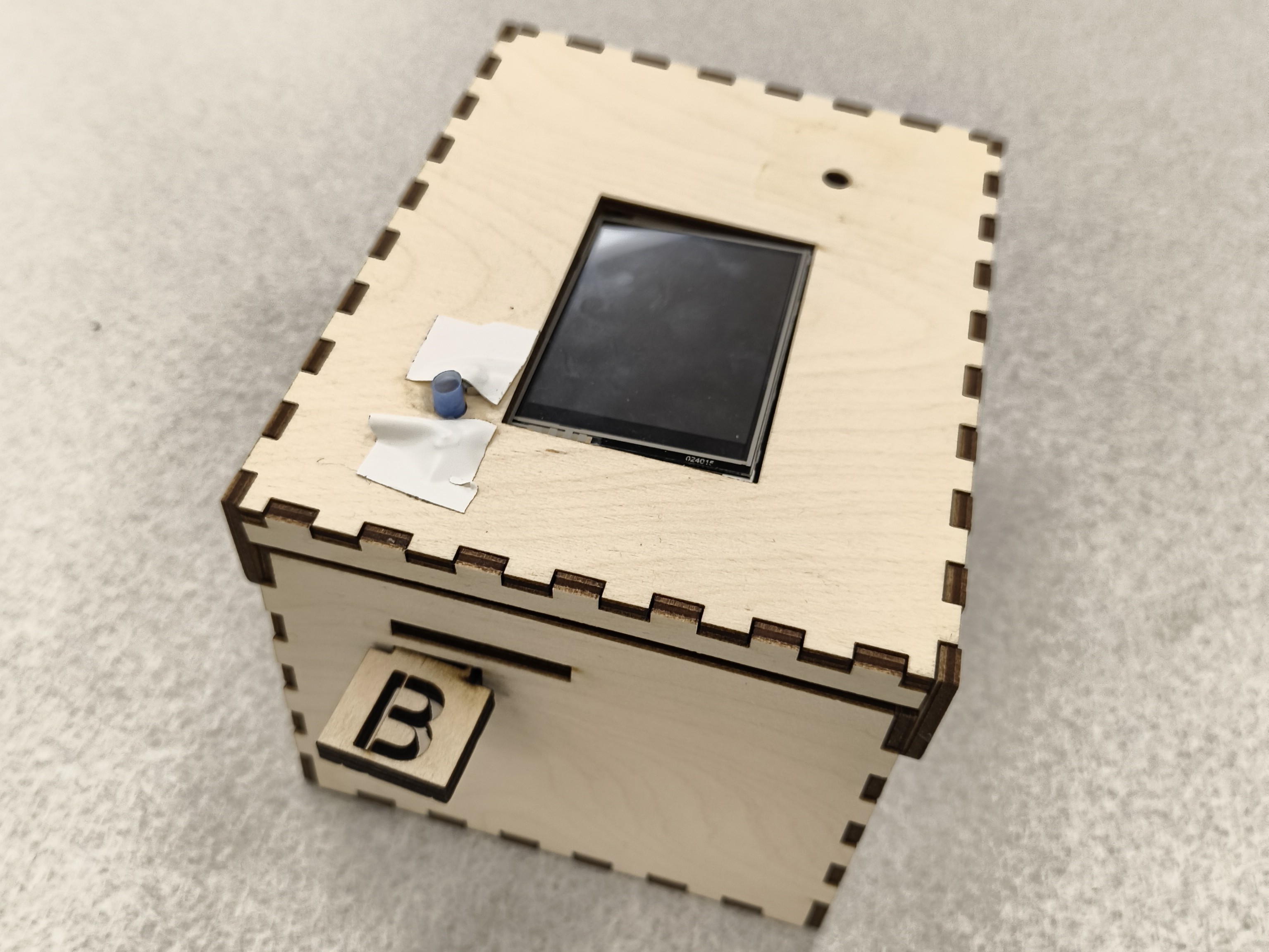
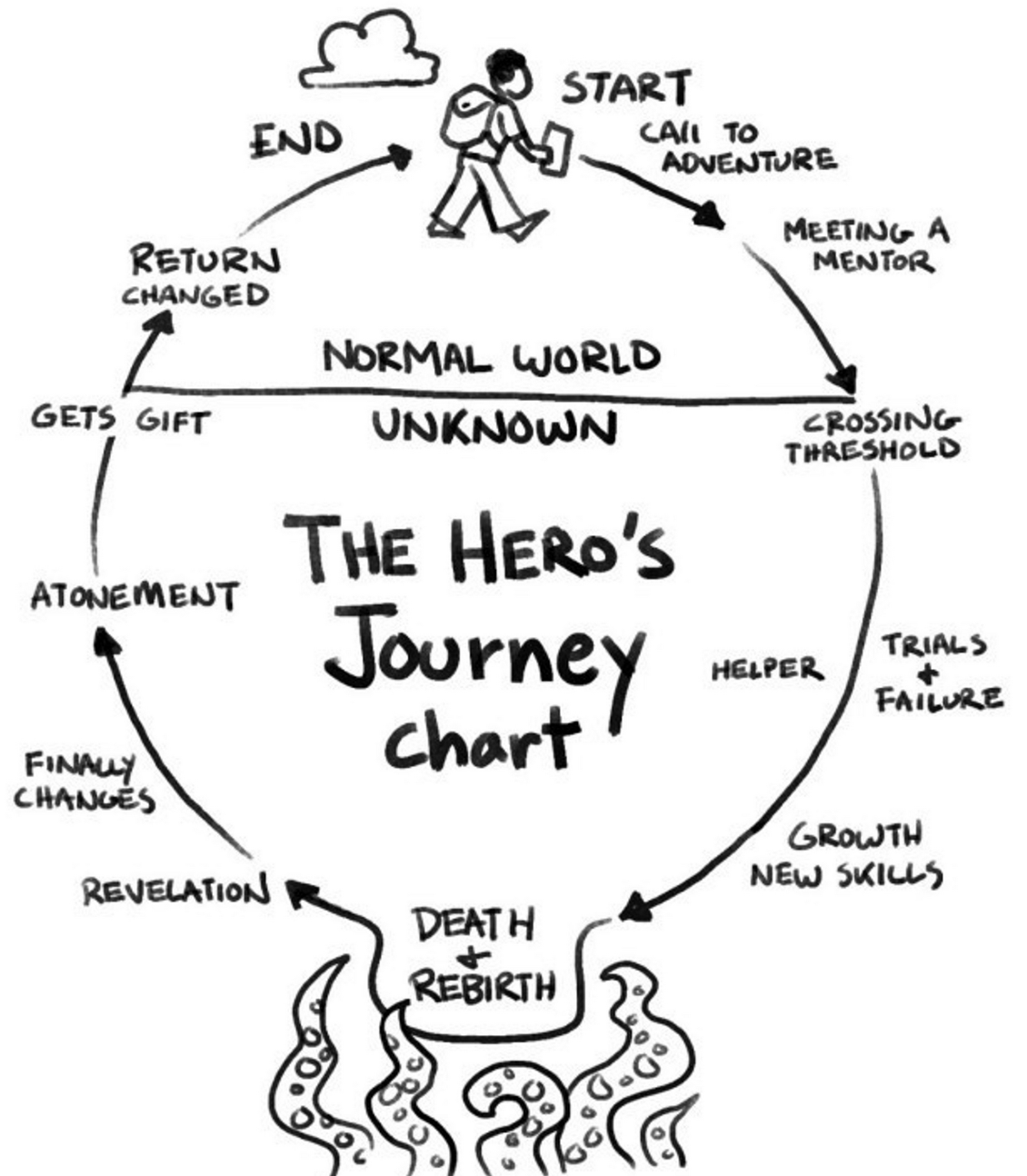
ECEG301 is designed to take students through the process start-to-finish of ideating and creating an engineering design. To give some context, my group landed upon heating blood samples for lateral flow assays to improve infection detection and therefore positively impact the maternal mortality rate. We were asked to create an ePortfolio to describe our personal experience through this process in the format of the Hero’s Journey, laid out below and in the illustration. I hope that my reflection may give some insight into my mindset and thought process throughout the project, as well as illustrate our project.
Call to Action
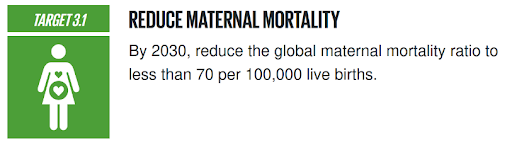
Our class decided on the United Nations Sustainable Development Goal #3, “Good Health and Well-Being”. This is such a wide field that my group had a tough time nailing down what we thought we could make a significant impact on while still remaining doable within the scope of one semester’s design course. We ended up deciding on, funnily enough, goal 3.1: By 2030, reduce the global maternal mortality ratio to less than 70 per 100,000 live births.
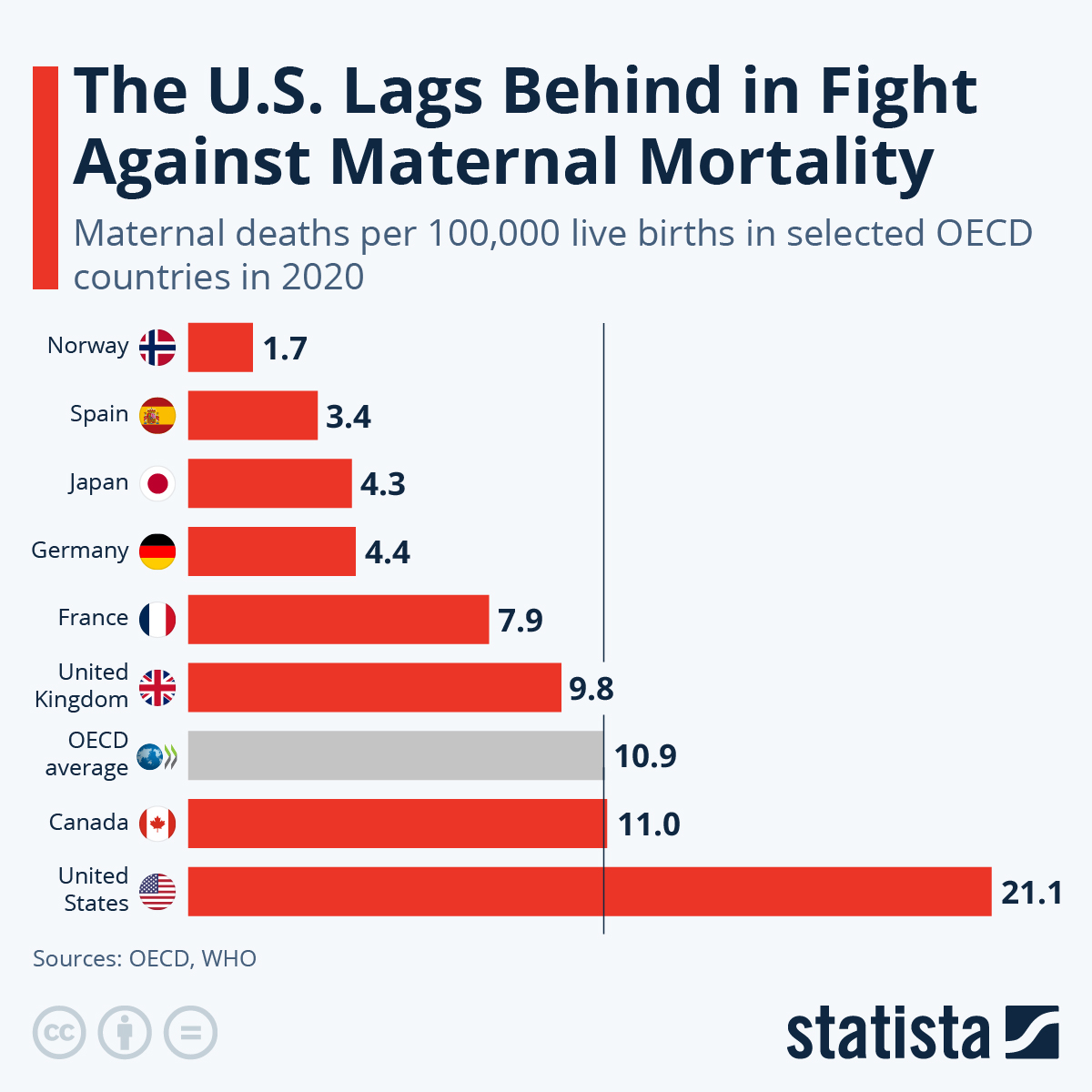
This stuck out to us as something that not only we could impact, but also something that could directly impact us. As seen on the graph from Statista, the maternal mortality ratio (MMR) in the USA is rising fairly rapidly compared to other global nations. We felt that this close impact could help us better understand the scope of our problem and further explore it as applicable to us.
Personally, I found the entirety of Goal #3 interesting as it was certainly something new for me: my experiences so far have been very far from the medical industry, even the kind of related to ECE MedTech industry. I found it engaging to have a new challenge in an area I hadn’t previously considered, and was looking forward to finding a way to make meaningful change in real people’s lives.
Refusal to Engage
As discussed previously, the medical field was very new for me at the beginning of this class and therefore I had some significant trepidation for the first week or two. Venturing into an entirely new subject matter hadn’t happened for me in a year-ish at this point and I felt out of practice. Adding to that trepidation were some key factors, including my (admittedly low) enjoyment of the class content for the first phase, as well as my teammates.
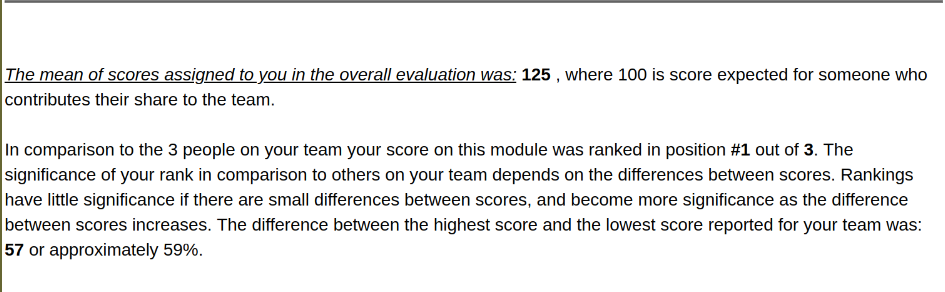
I make it a goal to not rag on my teammates as much as possible, because we’re all peers and, as such, all deserve respect and the same grace I would hope my classmates grant me. However, being the only person in my group at the beginning of most class periods is not entirely confidence-inspiring when I already am feeling nervous about the project in general. The image shown is our peer evaluations from the second phase of the project; I believe it illustrates how my fears about my team have come true to some extent. However, my team did improve greatly over the course of the class and I can’t be more grateful for their help.
In general, attacking new subject matter can be nerve-wracking. However, I think I’ve learned to reasonably adapt to it; having a good mentor or friend familiar with the subject matter can be insanely helpful. However, as I’ve matured and learned more, my skills in a search engine have equivalently improved. Finding materials widely available is something I consider a skill, and one I’ve actively worked on. Especially with the advent of ChatGPT and other LLMs, finding materials the traditional way can sometimes be harder, but it’s something I pride myself on. Still, at the beginning of 301 I did have some nerves based on venturing into the medical area of research.
Challenges
During our time working on the project, our team faced some not-so-insignificant challenges. Speaking with other teams, it seems as though their projects may have run a bit more smoothly, while we had a couple sticking points that we needed to work out along the way.
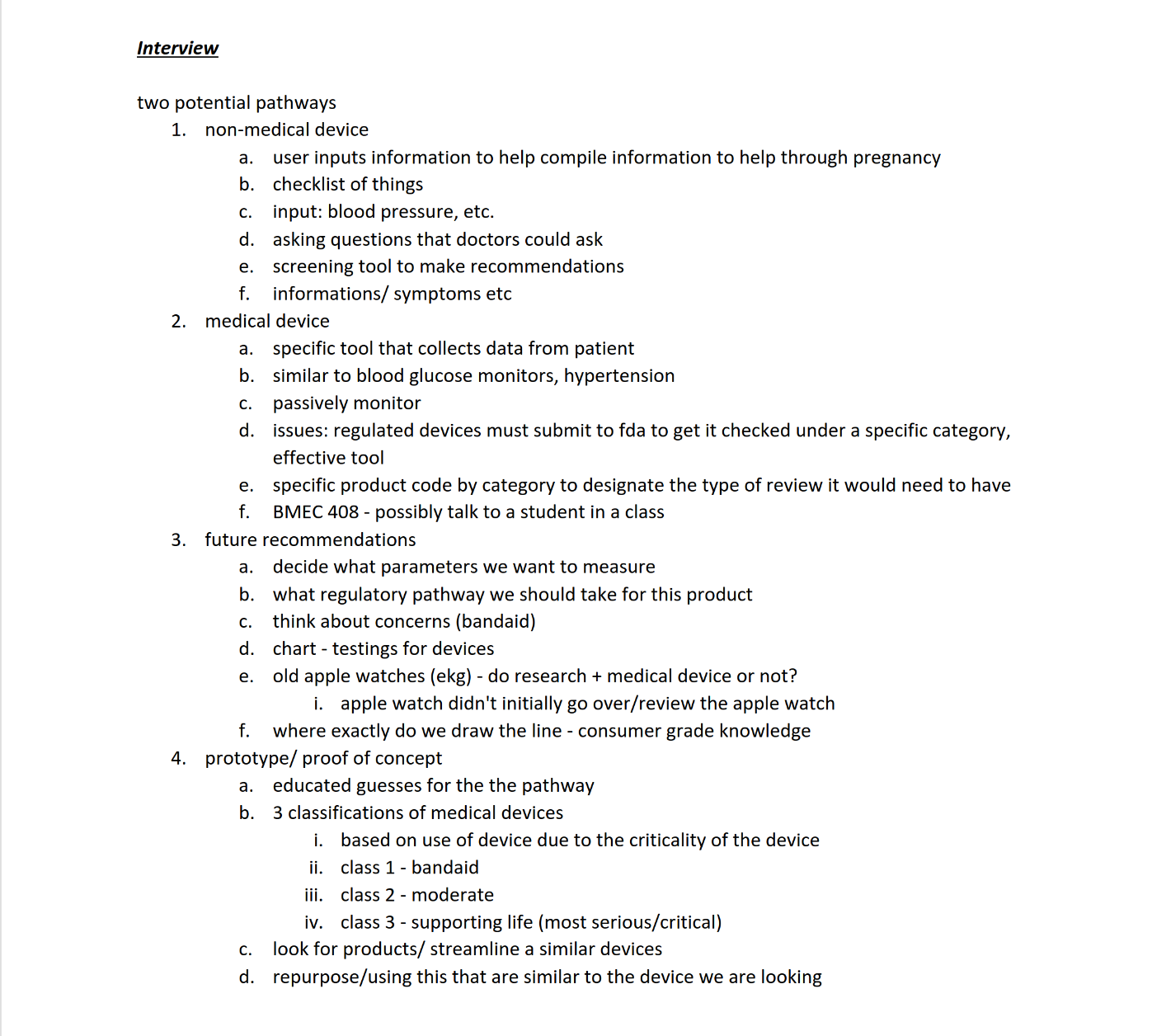
One of these was the aforementioned team issue, both with attendance and with commitment to the course. We found an issue early on where all three of us were prioritizing our other, more difficult classes and this commonly resulted in leaving work until the last minute. One area this cropped up especially badly was within the user interviews, an example of which can be seen alongside the section. We were required to complete one of these per phase. This did not exactly go to schedule - our first was completed during the second phase and thus our other two interviews needed to be completed nearing the end of the semester. Part of this issue was that we had a hard time simply thinking of apt people to interview, but another key sticking point was simply our team makeup. None of us are particularly predisposed to conversating with people, so cold-calling businesses or individuals to ask for their time was a scary task. As such this got procrastinated significantly by all three of us and ended up needing to be a discussion amongst us on how we could share this workload and make it a little less frightening.
In the end there’s really no simple solution to issues like these; just ways one can ease the pain and help their teammates to a better result. Supporting each other by providing resources and doing interviews as a team ended up being two primary ways that we improved our interviewing process, and these did make it a bit more bearable. It did certainly teach me that while one can never truly get out of doing things they dislike or are uncomfortable with, managing that discomfort and completing the task despite it are key skills to working in any sort of team.
Revelation
Perhaps the most challenging aspect of the project for my group was truly narrowing down what we wanted to focus on. Our subject was so broad that we struggled for some time figuring out what our product would look like, who it would serve, and what purpose it would have in the larger landscape of maternal mortality.
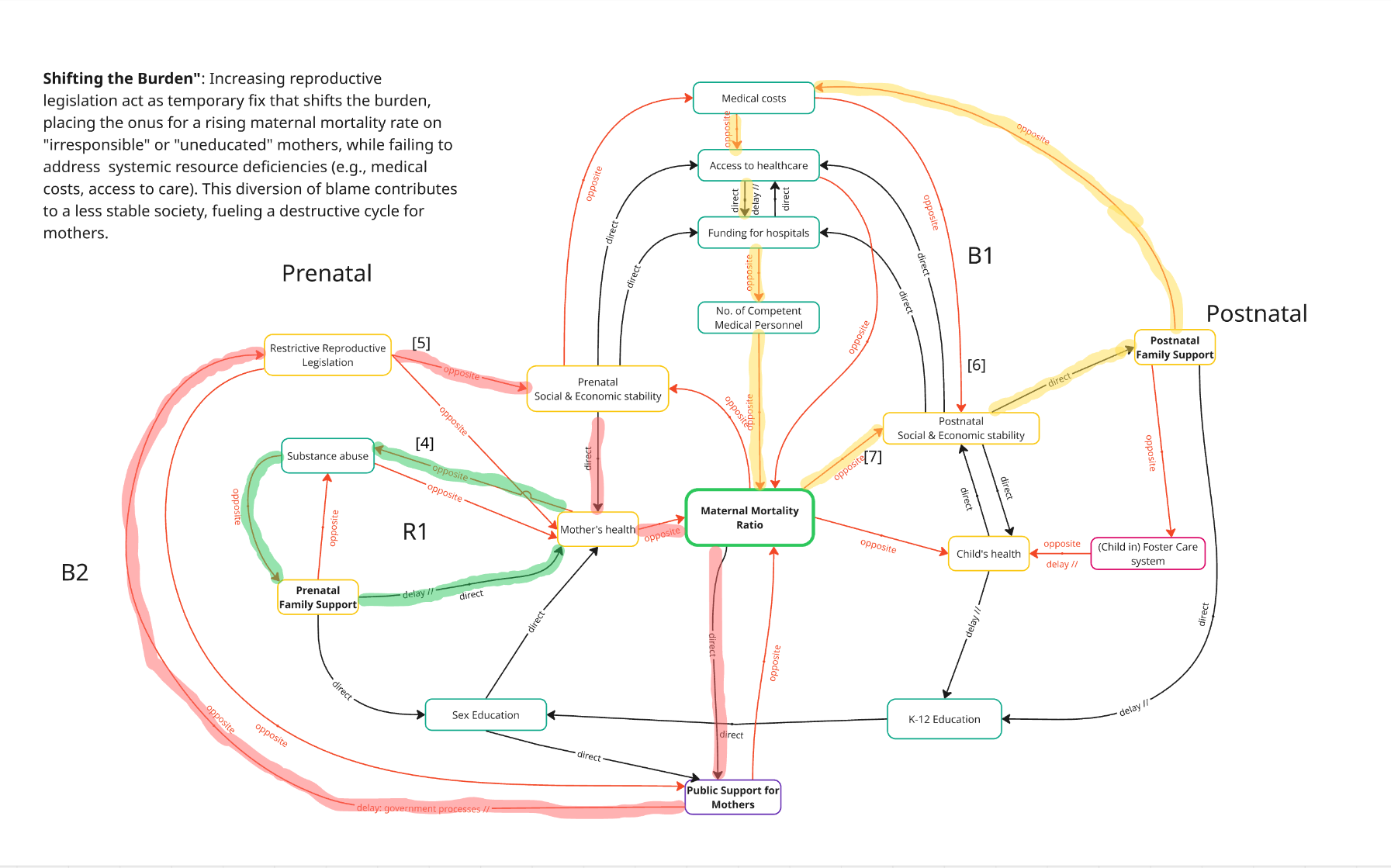
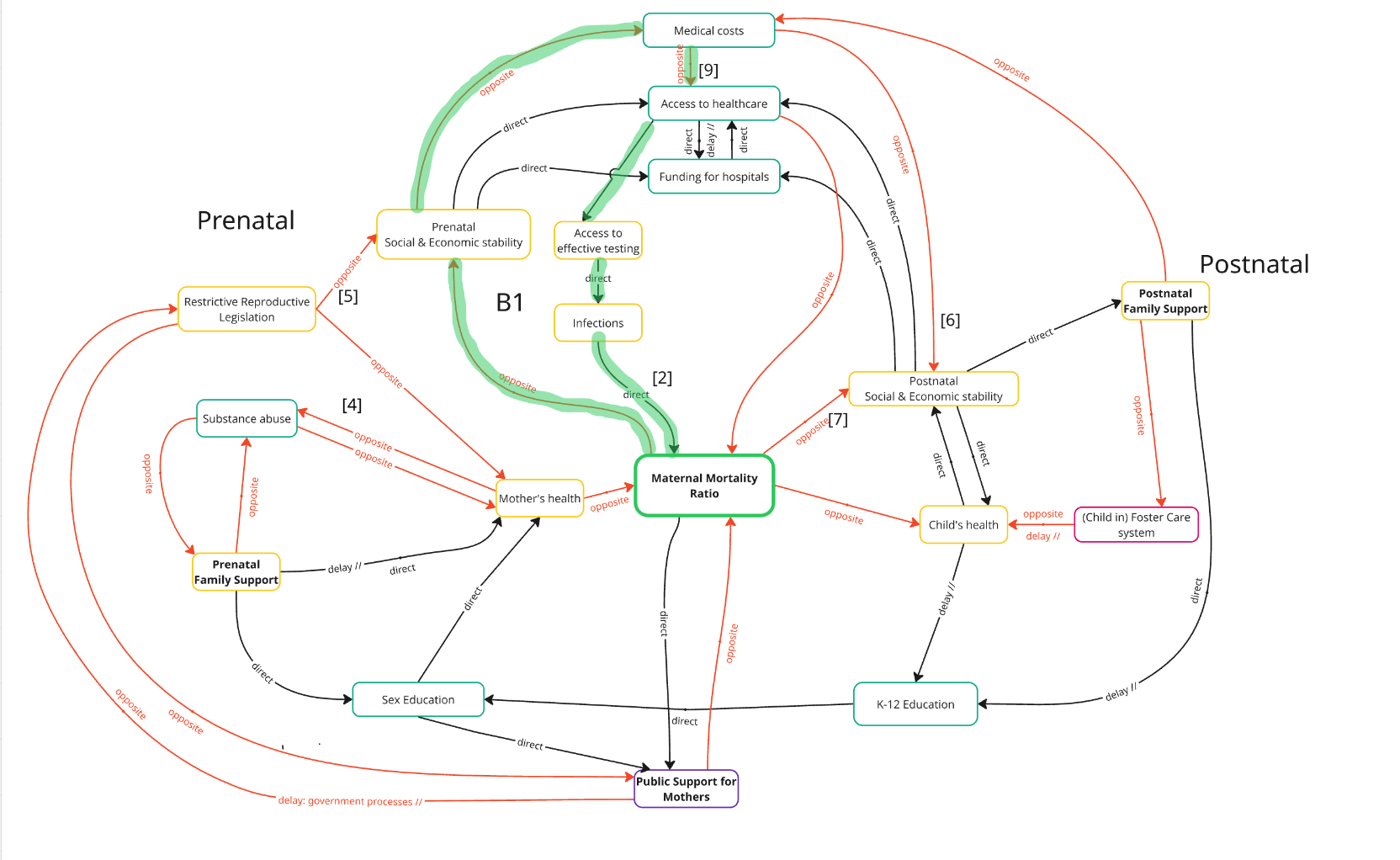
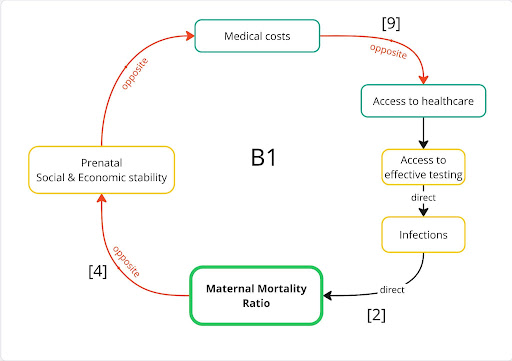
This can clearly be seen by one of our primary representations, the sytem map: it started out very large and directionless, highlighting several options, none of which were especially great. Later on in the project, we were able to add some blocks to more accurately represent the section we were focusing on, as well as stick to highlighting the one loop that our project would place the most emphasis on.
It was certainly an up-and-down journey to reach this later system map: we didn’t get straight what our actual goal was until fairly late in the project, while we were already looking at components and functional choices. Going through the process of fully fleshing out our idea with representations did help us move towards that final concept, but it wasn’t until we were forced to face how we would make that a reality that it truly came into full form.
To me, all this really stresses is the importance of forethought and extensive planning. All of the representations we created in the earlier phases of the project did help move us towards our final concept, but it’s clear from this hurdle that it wasn’t enough. In the future we need to ensure that when we say we’re done with representations, it needs to be in such a way that we could immediately create an MVP or similar representation. Component choices and further thought needs to happen before we end up getting to this point!
Transformation
I think 301 has definitely taught me a lot this semester. As a rule it was the portions of a product which, at the start of the semester, I would most certainly call the “boring” parts of working on any project. However, I feel like my attitude towards them has evolved a bit: Even if I wouldn’t describe this as the number one most engaging class I had this semester, I did learn a lot about what it means to be a good engineer and what’s required to have a successful project.
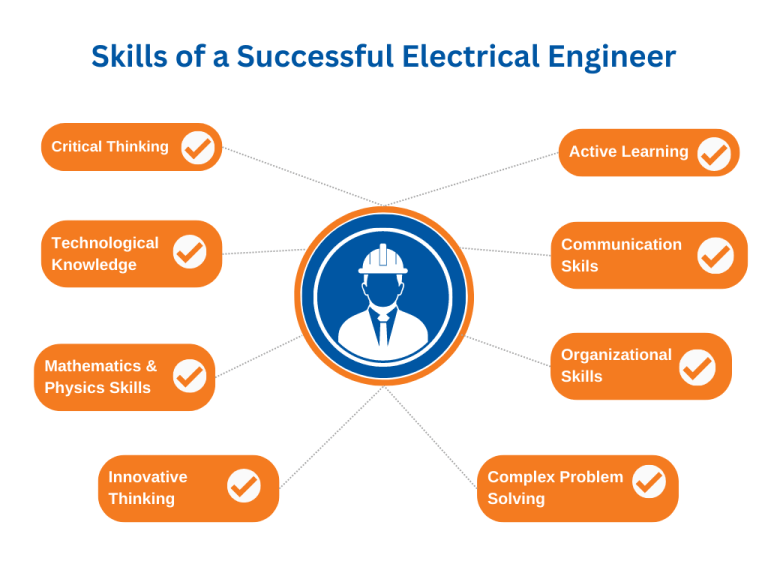
Previously, my idea of a lot of the stuff we learned this semester would have been that it was a job for a business or arts and science major. While some of that may overlap, I now realize that truthfully, it’s just aspects that a well-rounded engineer should have. Things like product design and electronics as a necessity depend on these earlier steps, from system mapping all the way to interviews and categorizing environmental impact. As such, it’s necessary that a good engineer have the skills to be able to accomplish all of these earlier steps in order to have a full understanding of a product or process. I see that it’s impossible to have a fleshed-out and well-designed product without some of these “fluff” items.
Since I want to take a focus on design moving forwards in engineering, it’s especially important for me to remember what we learned this semester and move forward applying it into my daily life, classes, and research. I can clearly see in hindsight where some of these items I considered “fluff” were severely lacking in previous projects. For example, when working on Baja, in our first semester with an ECE subteam we weren’t able to have a completed prototype that was usable during competition at all. This was in no small part due to a lack of preparation: if we had properly system mapped what we wanted we could have foreseen issues that were going to come up and may have been able to get something together. It’s clear that my work in the future will significantly benefit from what we learned during 301, and I’m hopeful that I’ll continue to learn more about design as a process.
Return
During the course of our 301 project, my perspective of the medical engineering field was significantly changed. I’m very impressed with the work that they do; to be frank, simply making a product is difficult enough but working with humans, standards, and safety adds another layer of complexity that I was unfamiliar with. It’s truly exceptional that we still manage to have products created that are effective of what they do but are also sterile and safely interact with human beings.
While MedTech is not my main focus, it was exceptional to be able to venture into it with the help and guidance of my team and my professors. For sure, if I work in this field again I’ll be thinking about human interaction and cleanliness from the start. One of our challenges was considering how this system may ever be made sterile and reusable between patients, something that happens millions of times a day across the country, let alone across the globe. I think that while our project may not be commercially produced and sold, it may help to bring visibility to an issue and/or help our class take these considerations into our future work.